
Higher Education IT
Best Phones for Universities: What to Buy for Research, Travel and Campus Staff
Role-by-role phone picks for research studies, study-abroad programs, health programs, faculty and campus security, plus the procurement questions that hold up university orders.
The best phones for universities depend on who’s carrying them. A research study needs identical phones that run the study app without a hiccup for weeks. A study-abroad program needs phones that take a local SIM card. Campus security needs phones that survive a night shift in the rain. This guide picks the best phones for universities role by role and answers the questions university procurement offices ask us before a PO clears.
What should university phones get right?
Compatibility with the software they’ll run
Research apps, clinical tools and campus safety apps often support specific chipsets and OS versions. Some won’t run on MediaTek processors at all. Get the requirements in writing before you pick a model.
Years of OS updates left
A phone that stops getting security updates halfway through a multi-year study or program is a risk, not a saving. Check how long the manufacturer will keep supporting a model before you standardize on it.
Physical SIM or eSIM
US iPhones from the iPhone 14 onward are eSIM-only. That’s fine on campus, but travel programs that buy local SIM cards abroad need a phone with a physical SIM tray.
Managed from day one
University-owned phones should enroll in your MDM on first boot. iPhones assign through Apple School Manager, and Android phones enroll through zero-touch enrollment or Samsung Knox. Our guide to zero-touch enrollment phones explains how to set it up.
Best phones for universities by role
| Role | Recommended models | Why it fits | Trade-off |
|---|---|---|---|
| Research study participants | Galaxy A36, Moto G Play (2024) | Qualcomm chips that research apps support; low cost per participant | The G Play is older, so confirm its update window covers your study |
| Study abroad and travel | Galaxy A36, Google Pixel 9 | Physical SIM tray plus eSIM, factory unlocked for local carriers | Apple campuses need an older iPhone for a SIM tray |
| Clinical and community health programs | iPhone 15, Galaxy A56 | Reliable all-day phones for staff who move between sites | Your program’s MDM and policies handle compliance, not the phone |
| Faculty and department staff | iPhone 16, Galaxy S25 | Long software support and the platform IT already manages | Higher cost per unit than mid-range phones |
| Campus security and facilities | Galaxy XCover7 Pro, Galaxy XCover6 Pro | Rugged, glove-friendly and built for drops and rain | Heavier than standard phones |
| IT and help desk test phones | iPhone 16, Google Pixel 9 | One of each platform to reproduce user issues | Keep them on current OS versions or they stop being useful |
What’s the best phone for a university research study?
The best research study phone is the one your study software supports, in quantity, for the length of the study. Ask the principal investigator for the chipset, minimum OS version and how long the phones must run. Then buy every unit as the same model, so data isn’t affected by hardware differences between participants.
A university research lab we worked with ran a 14-day study with continuous passive data collection. Their software didn’t support MediaTek chips, which ruled out several budget phones, and they turned down an older model because its OS support put their data at risk. They went with the Moto G Play (2024), which runs a Qualcomm chip. Watch the model year here: the Moto G Play (2026) switched to a MediaTek chip. The Galaxy A36 is the longer-lasting Qualcomm option if your study runs more than a year.
What phones work for study-abroad and travel programs?
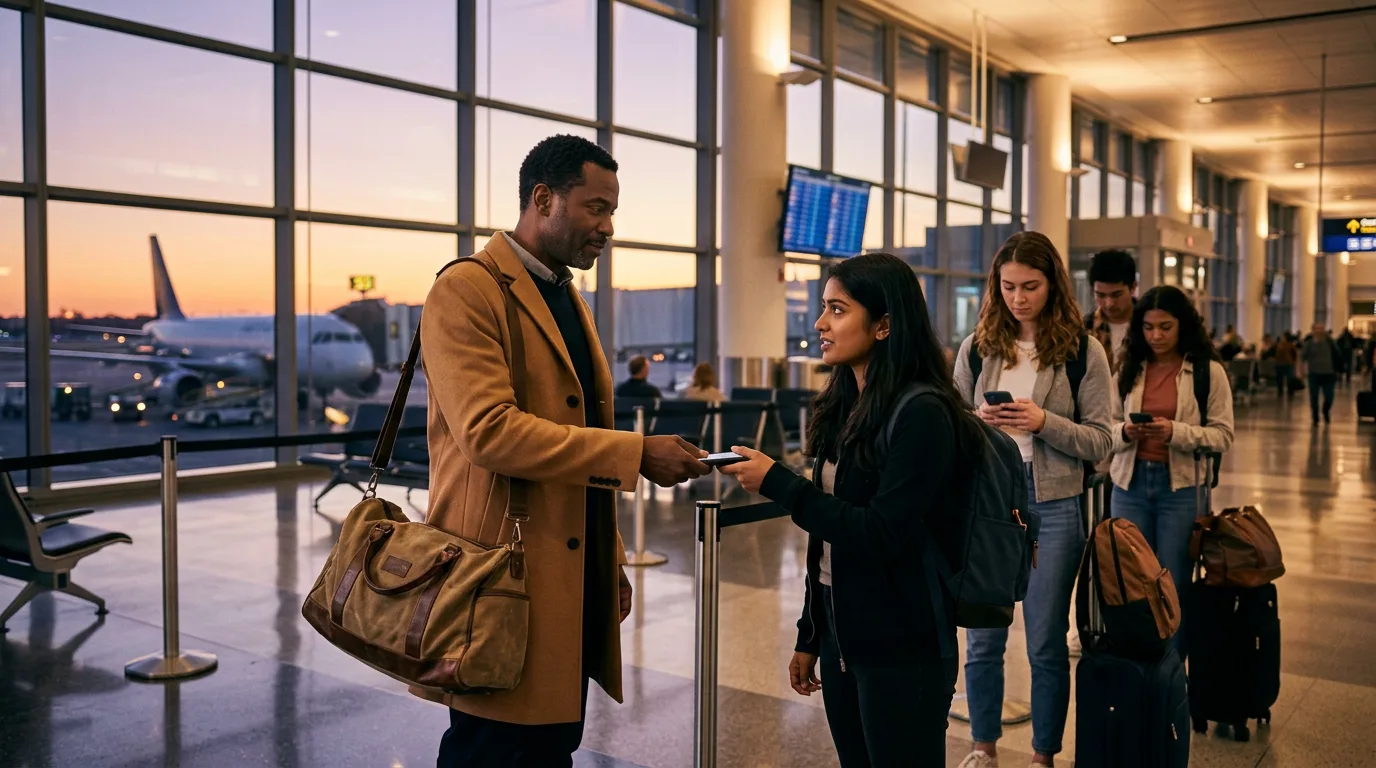
Travel programs often issue separate phones so students and faculty don’t take personal or campus-fleet phones abroad. An Ivy League business school we worked with did exactly that for a course in China: dedicated phones, local SIM cards bought on arrival, and nothing connected to the school’s existing fleet.
SIM type decides the model. The Galaxy A36 and Pixel 9 have a physical SIM tray as well as eSIM. If your campus runs on Apple, the US iPhone 13 is the last iPhone with a SIM tray, so ask us about availability. Before you finalize a destination, check the State Department’s travel guidance for the country, including any device rules.
Which phones fit clinical and community health programs?
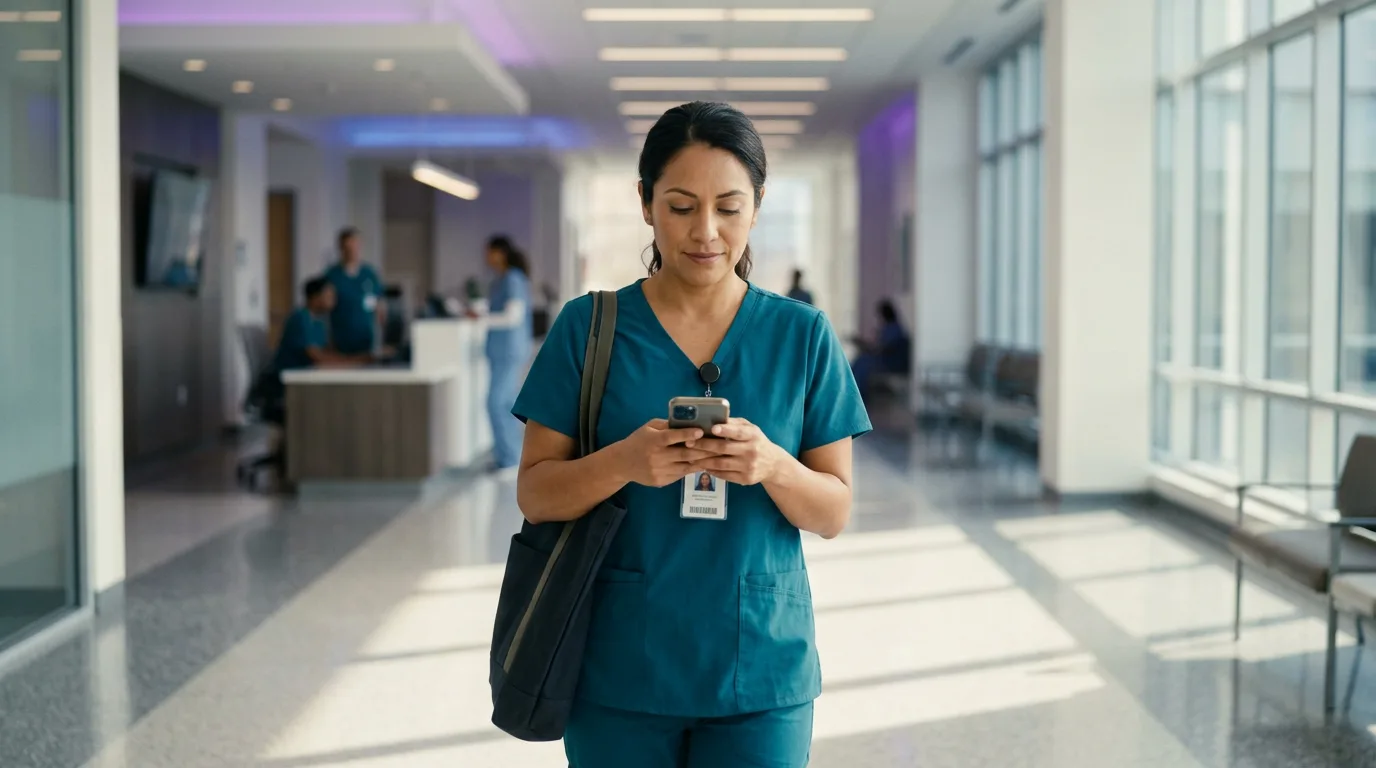
University health systems and community programs put phones in the hands of staff who travel between clinics, homes and offices. They need dependable phones with all-day batteries that IT can lock down. The iPhone 15 and Galaxy A56 fit that role at a lower cost than flagships.
Compliance comes from how you configure and manage the phones, not from the hardware. Enroll every unit in your MDM, apply your program’s policies, and work with your compliance office on which apps staff can use.
What phones should faculty and department staff use?
For faculty and administrative staff, match the platform your IT team already supports. The iPhone 16 and Galaxy S25 both have long software support, which matters when departments keep phones for several years. Buying one standard model per platform keeps help desk tickets and spare stock simple.
What phones work for campus security and facilities?
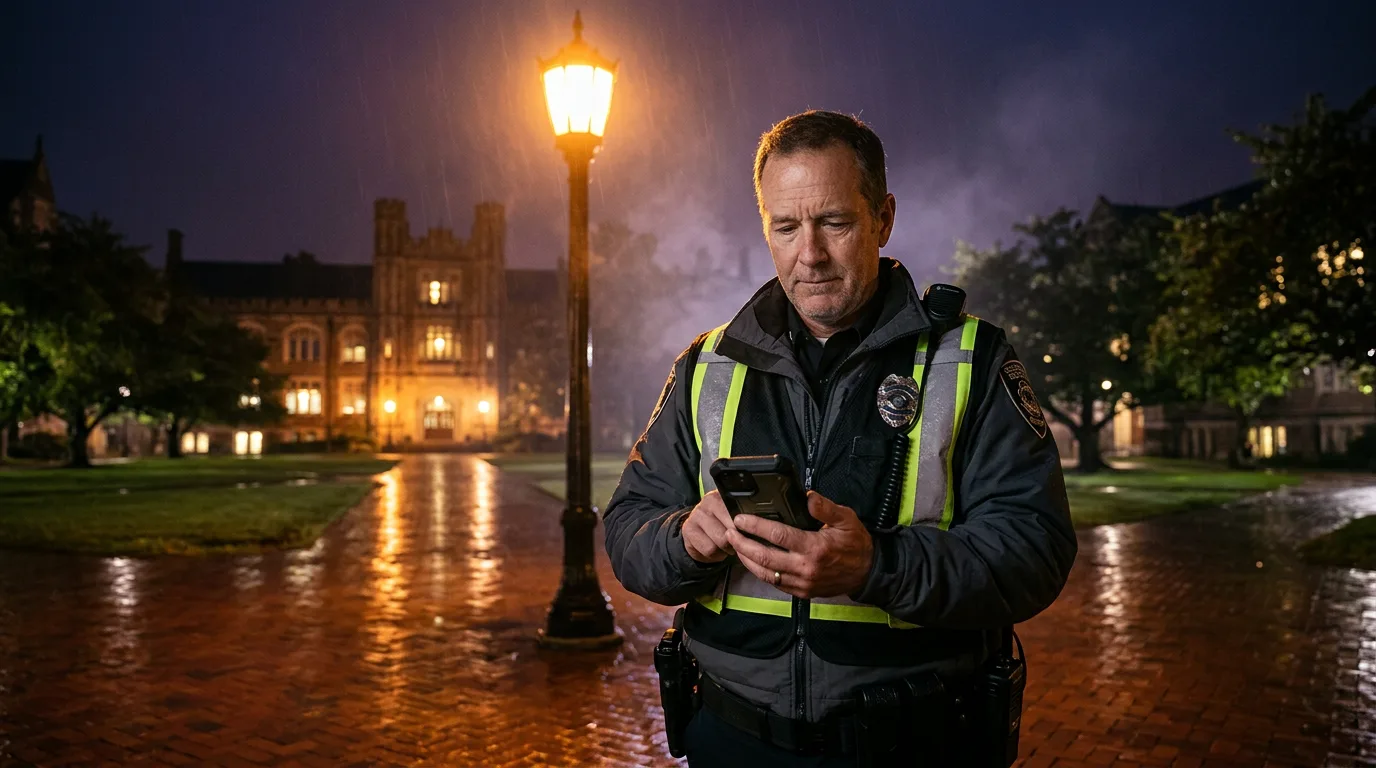
Security officers, groundskeepers and maintenance crews work outside, at night and in all weather. The Galaxy XCover7 Pro and XCover6 Pro are built for that: rugged bodies, a programmable key for push-to-talk or safety apps, and a design that works with gloves. Our guide to rugged wholesale phones compares more options.
What about tablets?
Library loaner programs, labs and field courses usually need tablets, not phones. We cover those in our guide to the best tablets for schools, which includes a section for universities.
Is refurbished OK for university phones?
Yes, when it’s tested properly. Our certified phones are tested with Phonecheck diagnostics, have 80%+ battery health, are checked against the GSMA device registry, and carry a 30-day DOA guarantee. Certified phones typically cost 20–40% below MSRP, which matters when a grant or department budget pays for them. For older models, we test units after the order comes in, which adds a couple of days.
For buying details across every kind of school, see our guide to wholesale phones for education.
How do university phone orders actually work?
University orders follow the institution’s procurement process, and it pays to start it early:
- Supplier registration. Most universities need us set up as a vendor before they can issue a PO. It’s often the slowest step, so start it while you compare quotes.
- Purchase order. Once the PO is issued, we process and ship the order. Payment terms are set during vendor setup.
- Substitutions. If a model sells out, we can swap in a comparable model and adjust the price on the same order, so you don’t restart procurement.
- Accessories. Confirm chargers on the quote. Certified phones may ship without a power adapter, and we offer mobile device kitting with a box and cable per unit.
What happens to phones when a study or program ends?
Plan the exit before you buy. When a study wraps up or a program refreshes its phones, our device buyback program buys them back, wipes every unit with Phonecheck data erasure, and provides the erasure certificate on request. The value can go toward the next order.
Frequently asked questions
What’s the best phone for a university research study?
The one your study software supports for the full length of the study. Get the required chipset, minimum OS version and study duration from the research team, then buy every unit as the same model. Qualcomm-based phones like the Galaxy A36 work with most research apps.
Which phones still have a physical SIM card slot?
Most Android phones, including the Galaxy A36 and Google Pixel 9, have a physical SIM tray plus eSIM. US iPhones from the iPhone 14 onward are eSIM-only, so the US iPhone 13 is the last iPhone with a SIM tray.
Should study-abroad phones be separate from our campus fleet?
Many universities keep them separate so personal data and campus accounts don’t travel. Dedicated travel phones with local SIM cards keep the program isolated from the rest of your fleet. Wipe them when the trip ends.
Do new phones come with SIM cards already installed?
Some new phones ship with a carrier SIM inside. It doesn’t change the price, and if you don’t need it, you can remove it and throw it away. Our phones are factory unlocked and work with AT&T, T-Mobile and Verizon.
Do university phone orders include chargers?
Not automatically. New phones ship with what the manufacturer includes, and many don’t include a power adapter. Certified phones may ship with a cable only. List the accessories you need on the quote request.
Can a university pay with a purchase order?
Yes. Once we’re set up as a vendor in your system and you issue a PO, we process and ship the order. Payment terms are agreed during vendor setup with your finance office.
How do we set Nobility Wireless up as a university vendor?
Send us your institution’s supplier registration invite or forms, and we’ll complete them as soon as we receive them. Start registration while you’re still comparing quotes, because it often takes longer than the order itself.
Can you swap a sold-out model without a new PO?
Usually, yes. We can substitute a comparable model and adjust the price on the existing order. Before you approve a swap, confirm the new model meets your software’s chipset and OS requirements.
How are refurbished phones tested?
Every phone goes through Phonecheck diagnostics, including battery health, connectivity and hardware checks, and its IMEI is checked against the GSMA registry. Certified phones have 80%+ battery health and a 30-day DOA guarantee. You can request a Device History Report for any unit.
Are the phones unlocked?
Yes. Our phones are factory unlocked and compatible with AT&T, T-Mobile and Verizon, so you can use your university’s carrier plan or local SIM cards abroad.
What’s the minimum order, and how fast do phones ship?
The minimum order is 10 units, and quotes come back in about 4 hours. In-stock orders ship in 1–3 business days. Older models are tested after the order comes in, which adds a couple of days.
What do we do with phones after a study ends?
Sell them back. Our device buyback program buys the phones, wipes every unit with Phonecheck data erasure, and provides the erasure certificate on request. The value can go toward your next order.
Equipping a university program?
Tell us the roles, quantities and any software or SIM requirements, and we’ll send matched models and pricing in about 4 hours.
Request a quote